Breast Cancer Survivor
A Designer’s First Look: Clean, Respectful, and Ready for Real Fabric
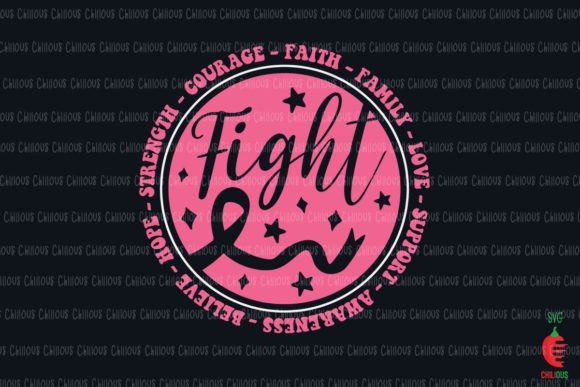
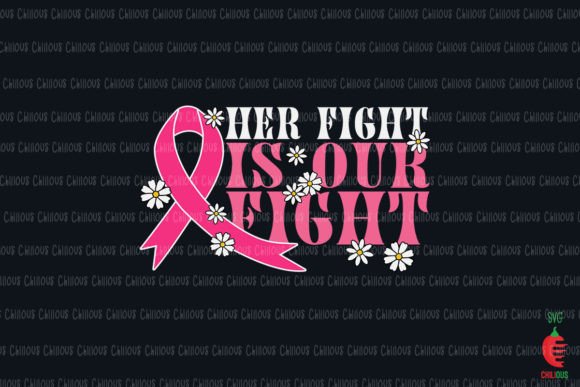
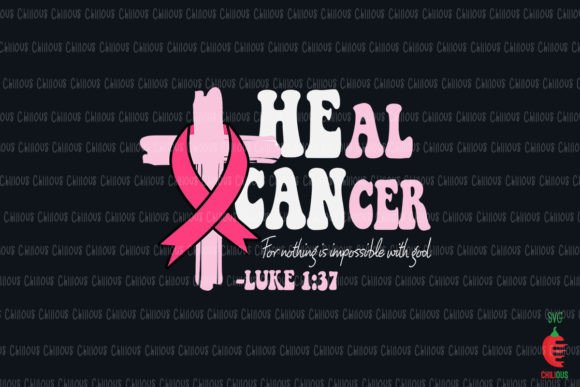
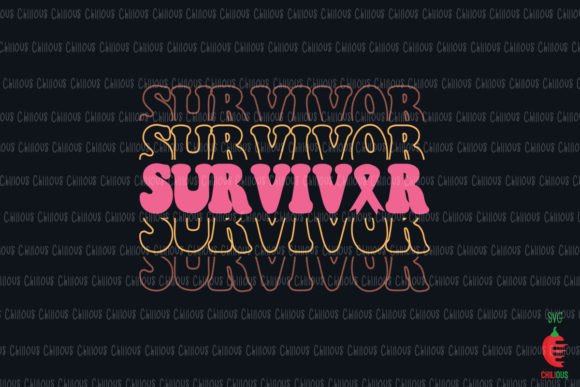
When I opened the Breast Cancer Survivor embroidery file bundle—SVG, PNG, DXF, EPS—I wasn’t scanning for hype. I was checking for intention. This isn’t a flashy script or a busy emblem. It’s a quiet, centered design: a ribbon shape integrated with subtle lettering, balanced weight, and breathing room between elements. No excessive flourishes, no cramped text, no visual noise. That’s a win. For crafters making personalized gifts or small shop merchandise—especially for sensitive, meaningful occasions—it lands with sincerity, not sentimentality.
How It Works on a Real Project: The Tote Bag Test
Last week, I stitched Breast Cancer Survivor onto a natural cotton canvas tote for a local boutique’s “Strength & Stitch” collection. We used medium-weight cutaway stabilizer, 40-weight rayon thread, and a 5" × 7" hoop. The result? Crisp satin-stitched ribbon edges, legible (but not shouty) lettering, and zero puckering—even across the tote’s slightly uneven weave. Customers responded strongly—not just to the message, but to how *well* it looked. That matters. A thoughtful embroidery file shouldn’t ask buyers to forgive sloppy execution. This one doesn’t.
Fabric & Fit: Where It Shines—and Where to Pause
- Best matches: Sweatshirt embroidery (medium-knit fleece), tea towels (tight-weave cotton), pillow covers (linen-cotton blends), embroidered patches (when backed with twill or felt), and baby embroidery (on pre-shrunk jersey with tear-away stabilizer).
- Use carefully on: Thin fabrics like voile or lightweight rayon (stitch density may show through), highly textured surfaces like bouclé or thick terry cloth (fine details can blur), and curved areas like cap fronts (test placement first—this design prefers flat or gently rounded zones).
- Dark fabric note: The included PNG and SVG files render cleanly in black-and-white mockups, so previewing contrast is easy—but always test thread colors on your actual fabric. A soft rose or charcoal gray often reads more thoughtfully than neon pink on deep navy or charcoal.
Commercial Use Reality Check for Etsy Sellers & Small Shops
If you’re an Etsy seller or handmade product maker, Breast Cancer Survivor works as both a finished product asset and a digital embroidery file listing. Its clean vector formats (EPS, SVG, DXF) adapt well to printable mockups, and the PNG gives instant web-ready previews. But here’s what I watch for: licensing clarity. Since the listing states “ALL design files” are included in one ZIP, confirm whether commercial redistribution of the *digital files themselves* is permitted before adding them to your own craft business bundle. For physical products—embroidered totes, sweatshirts, or nursery pillows—you’re almost certainly covered, but always verify.
Stitching Clarity = Customer Trust
Embroidery isn’t just decoration—it’s a promise of care. When someone orders a personalized gift with Breast Cancer Survivor, they’re trusting you with emotion, memory, and meaning. A design that stitches cleanly reinforces that trust. I noticed minimal jump stitches in my test run, no tiny isolated nodes that could snag, and lettering tall enough to read at 3" wide—critical for baby onesies or apron pockets where space is tight. That’s not accidental. It’s evidence of deliberate digitizing, not auto-traced art.
Design Personality in Context
This isn’t a “cheerful celebration” motif. It’s grounded. Calm. Dignified. That makes it versatile: equally fitting for a holiday embroidery gift (think: monogrammed kitchen towel set for a survivor’s family), a boutique-branded sweatshirt line, or a quiet nursery decor piece—perhaps on a linen wall hanging beside a soft quilt. It avoids cliché while honoring resonance. As a designer, I appreciate that restraint. It leaves room for the person wearing or receiving it to define the moment—not the design.
Practical Notes Every Embroiderer Should Run Through
- Test the embroidery file on scrap fabric *first*, especially if using stretchy knits or dark backgrounds.
- Check stitch density visually—if fill areas look overly heavy in your software preview, consider reducing density by 5–10% for breathable fabrics.
- Confirm hoop size compatibility: this design fits comfortably in a 4" × 4" hoop at smaller scales, but expands gracefully up to 6" × 6" without losing integrity.
- Inspect corners and curves in your embroidery software—no hidden overlaps or stray anchor points.
- Run black-and-white and grayscale mockups to assess contrast before committing thread.
- Match stabilizer to fabric: cutaway for knits, tear-away for stable wovens, and fusible + tear-away for lightweight linens.
- Remember: even beautiful graphics need context. Pair Breast Cancer Survivor with complementary, uncluttered layouts—avoid stacking it with other slogans or icons unless intentionally designed as a set.
Final Thought: It’s Not Just a Design—It’s a Delivery Method
As a designer who’s reviewed hundreds of embroidery files—from playful applique designs to intricate monograms—I judge Breast Cancer Survivor not just on aesthetics, but on delivery. Does it arrive ready? Does it translate faithfully from screen to stitch? Does it serve the maker *and* honor the meaning behind the work? Yes, yes, and yes. It’s a Crafts category staple done right: respectful in tone, functional in format, and flexible across real-world applications—from custom apparel to heartfelt holiday embroidery. For small business owners, Etsy sellers, and makers building trust through handmade product integrity, this is the kind of embroidery file that quietly elevates your whole lineup.