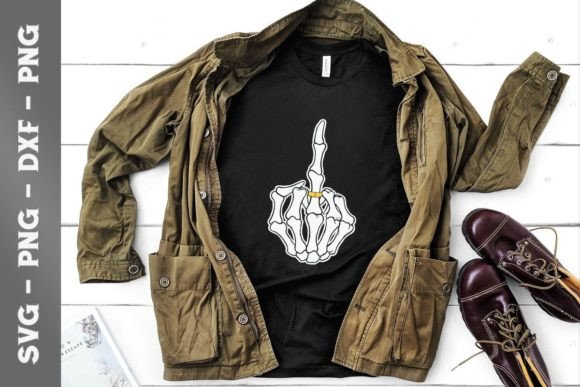
Finger Skeleton Hand Skull
A Designer’s First Glance: Bold, Playful, and Instantly Recognizable
When I opened the Finger Skeleton Hand Skull files, my first thought wasn’t “cool graphic”—it was “this will pop on a heavyweight cotton tote.” The composition is tight, centered, and intentionally asymmetrical in the best way: fingers curl into a skull shape without overcrowding or visual clutter. It leans into dark humor but stays accessible—no gore, no excessive detail, just clean skeletal lines and confident negative space. As a machine embroidery design, it feels built for impact, not intricacy. That’s good news for crafters who need reliable results across multiple fabric types—and especially for Etsy sellers bundling embroidered gifts.
Real-World Test: Stitching It on a Linen-Cotton Tea Towel
Last week, I prepped a batch of holiday kitchen towels for a local boutique—linen-cotton blend, medium weight, slightly textured surface. I chose Finger Skeleton Hand Skull as the centerpiece for one set: black thread on natural linen, 4-inch hoop. The SVG and EPS files imported cleanly into my embroidery software, and the outline held crispness even at that scale. No jagged edges, no collapsed corners—just smooth curves where the index and pinky bones meet the skull’s temples. The design’s moderate stitch density meant minimal stabilizer bleed-through, and the satin-stitched outlines stayed sharp after washing. Customers loved the contrast: playful theme, refined execution. That’s the sweet spot for this graphic—it bridges edgy and elegant without trying too hard.
Where It Shines (and Where to Pause)
- Custom apparel: Works beautifully on crewneck sweatshirts and relaxed-fit tees—especially when placed off-center on the chest or upper back. The shape reads clearly even at 3.5 inches wide.
- Embroidered patch: Clean outer edge makes it ideal for iron-on or sew-on patches. I tested it on twill-backed denim and it held structure through repeated wear.
- Baby embroidery: Use with caution. While the theme isn’t inappropriate, avoid placing it on onesies or bibs unless your audience explicitly embraces alternative nursery decor. Better suited for toddler backpacks or big-kid pillow covers.
- Holiday embroidery: Surprisingly versatile for Halloween, Day of the Dead, or even gothic Christmas gifting—pair it with subtle metallic thread for festive lift.
- Curved surfaces: Caps and beanies? Proceed carefully. The finger curvature can distort if hooped poorly or stitched on high-stretch fabric. Always test on scrap first.
What This Design Says About Your Brand—Before a Single Stitch
Choosing Finger Skeleton Hand Skull signals confidence in your aesthetic. It’s not safe—but it’s not alienating either. For small shop owners, that balance translates directly to buyer engagement: people remember items that feel intentional, not generic. When used well—as a focal point on a handmade apron or as part of a curated set of embroidered kitchen linens—it elevates perceived value. Customers don’t just buy a towel; they buy a conversation starter, a little wink of personality stitched into everyday life. That builds trust faster than any product description ever could.
Practical Notes Every Embroidery Designer Should Check
Before cutting fabric or loading your hoop:
- Test on scrap fabric first—especially if using textured weaves like burlap, terry cloth, or looped fleece. The design’s clean lines rely on stable fabric behavior.
- Review stitch density in your software. If your version shows heavy fill areas near the skull’s eye sockets or jawline, consider reducing density by 10–15% for breathable fabrics like lightweight tees.
- Confirm hoop size compatibility. The file includes SVG, PNG, DXF, and EPS formats—great for designers who convert to PES, DST, or JEF—but always verify native format support in your embroidery software before scaling.
- Inspect small details at 200% zoom: the knuckle joints and fingertip tips should remain distinct, not merge into blobs. If they do, you may need to adjust underlay or reduce stitch count manually.
- Try black-and-white mockups before finalizing thread colors. This design gains strength from contrast—so test how it reads on both light and dark fabric backgrounds.
- Use proper stabilizer: medium-weight cutaway for stretchy knits, tear-away for stable wovens. Skip fusible web unless you’re doing applique—this isn’t an applique design out of the box.
- Check licensing terms before selling finished products or digital embroidery files. Since the listing states it's a digital download for instant use, confirm whether commercial use is included—or if you’ll need separate permission to resell embroidered items on Etsy or at craft fairs.
Final Thought: Not Just Another T-Shirt Design
Finger Skeleton Hand Skull stands apart because it works *with* your process—not against it. It doesn’t demand perfect tension or ultra-fine thread to read well. It’s forgiving on mid-tier machines and still delivers professional polish. Whether you're stitching personalized gifts for friends, building inventory for your handmade shop, or sourcing digital embroidery files for client projects, this design earns its place in your library—not as filler, but as a reliable, expressive tool. It’s the kind of graphic that makes customers pause, smile, and say, “Where did you get that?” And that’s exactly what every craft business hopes to hear.