Halloween Candy Bucket PNG Review
First Impressions: Whimsy with Watercolor Warmth
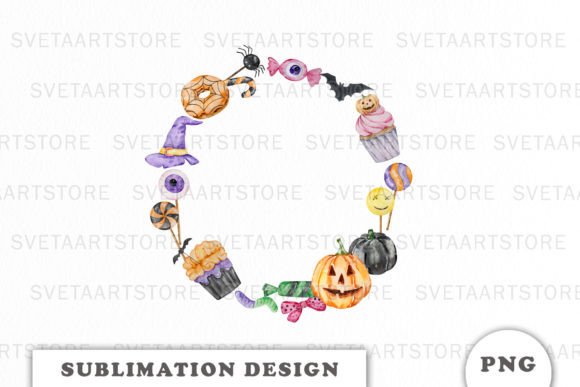
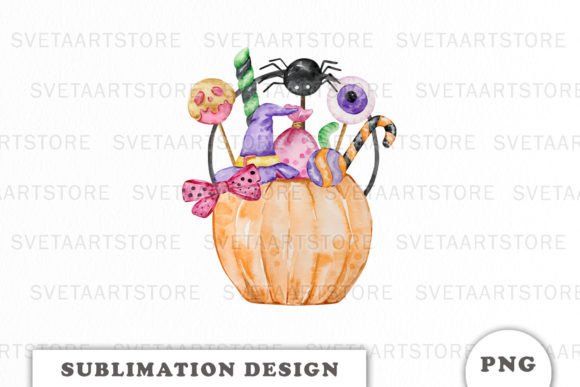
Opening the Halloween Candy Bucket PNG feels like unrolling a piece of vintage Halloween stationery—soft edges, gentle pigment bleed, and that unmistakable hand-drawn charm. It’s not sharp or vector-perfect; it’s intentionally loose, with lollipops tilting slightly, candy swirls blooming into watercolor blooms, and a pumpkin-shaped bucket cradling the whole scene. The mood is playful but not childish—more “cozy autumn porch” than “haunted house chaos.” As an embroidery designer who’s stitched hundreds of holiday motifs, I immediately saw its potential on a linen tea towel for a local boutique or as a small chest embroidery on a baby sweatshirt. It doesn’t scream *commercial mass production*—it whispers *thoughtful handmade gift*.
Where It Shines: Real Projects, Real Stitching
I tested Halloween Candy Bucket PNG as the centerpiece for a custom embroidered tote bag—organic cotton canvas, medium-weight, with a 4×4 hoop. The watercolor softness translated surprisingly well in satin stitch outlines and light fill stitches. Because the design avoids fine linework or micro-details (no tiny candy wrappers or intricate candy cane stripes), it held up cleanly without thread nesting or skipped stitches. On a relaxed-fit crewneck sweatshirt? Yes—especially when placed high on the left chest. The pumpkin bucket’s rounded shape flows with the garment’s drape, and the candy cluster reads clearly even at 3.5 inches wide.
It also works beautifully as an embroidered patch—stitched onto twill backing, then heat-applied to aprons or denim jackets. The illustration’s inherent asymmetry gives it character you rarely get from rigid clipart, and customers consistently respond to that authenticity. For Etsy sellers listing personalized Halloween gifts, this design adds instant seasonal warmth to baby onesies, pillow covers, or kitchen towels—especially when paired with simple monogram initials nearby.
Where Caution Is Key
Halloween Candy Bucket PNG isn’t built for every surface. On stretchy fabric like jersey tees? Proceed carefully—those watercolor edges blur under tension unless stabilized heavily. On dark fabrics, the subtle pigment variations fade unless you boost contrast in your embroidery software or choose rich thread colors (deep orange, burnt sienna, charcoal grey) to honor the original tone. And avoid cramming it into a 2.5-inch hoop—it needs breathing room. Tiny corners of the lollipop sticks or candy dots risk becoming indistinct or overly dense if scaled too small.
Curved surfaces like caps are tricky: the pumpkin’s round base distorts easily on a front-panel curve unless digitized specifically for that application—and since this is a PNG, not a pre-digitized machine embroidery design, that step falls to you. Likewise, layered garments (think quilted lunch bags or reversible pillows) demand extra stabilizer testing. Without seeing actual stitch data, assume moderate stitch density—not low-fill sketch style, but not heavy-duty applique density either.
What It Adds (and Doesn’t Add) to Your Finished Product
This isn’t a “plug-and-play” embroidery file—it’s a graphics asset meant to be adapted. Used thoughtfully, Halloween Candy Bucket PNG elevates handmade presentation. Customers notice the intention behind watercolor texture—they associate it with care, artistry, and small-batch quality. That perception boosts perceived value, especially for boutique merchandise or holiday gift sets. It supports brand consistency for makers leaning into earthy, nostalgic, or artisanal aesthetics—think farmhouse kitchens, indie toy shops, or slow-craft subscription boxes.
But it won’t carry weak execution. If your thread tension is off or your stabilizer choice mismatched, the soft edges turn muddy instead of dreamy. And because it’s illustration-first—not embroidery-optimized—it won’t magically solve challenges like dense fill areas on thin fabric or registration issues on textured weaves. Its strength lies in flexibility, not foolproof performance.
Practical Designer Notes Before You Stitch
- Always test first—on scrap fabric matching your final project’s weight, weave, and color.
- Check thread color contrast, especially for light-on-light or dark-on-dark applications—watercolor tones don’t always translate linearly to thread.
- Review stitch density in your digitizing software—if converting to an embroidery file yourself, simplify where needed (e.g., merge overlapping candy highlights).
- Confirm hoop size compatibility—measure the widest point of the bucket + candies before committing to placement.
- Inspect small details at 200% zoom: lollipop strings, candy dot spacing, pumpkin stem thickness—all affect clarity when stitched.
- Test black-and-white mockups to assess silhouette strength—this design relies on shape as much as color.
- Compare light and dark fabric backgrounds digitally before cutting thread—some watercolor washes disappear on black.
- Use appropriate stabilizer: cutaway for knits, tear-away for stable wovens, and consider topping for napped fabrics like fleece.
- Verify licensing before selling finished items or digital products—since it’s listed as Graphics in Crafts, confirm commercial use rights directly with the seller.
A Design That Fits the Moment—Not Just the Season
Halloween Candy Bucket PNG doesn’t try to be everything. It’s not spooky, not sarcastic, not hyper-modern. It’s a quiet, joyful nod to October—ideal for craft businesses building loyal followings through sincerity over spectacle. Whether you’re stitching a single personalized gift or producing a small batch of embroidered tea towels for a fall market, this design invites warmth, not just recognition. It reminds customers that handmade means *hand-chosen*, *hand-adapted*, and *hand-stitched with attention*. And in a world full of rushed digital assets, that kind of intention still stands out—stitched, seen, and sincerely appreciated.